


Twitter seeks final resolution in Musk lawsuit
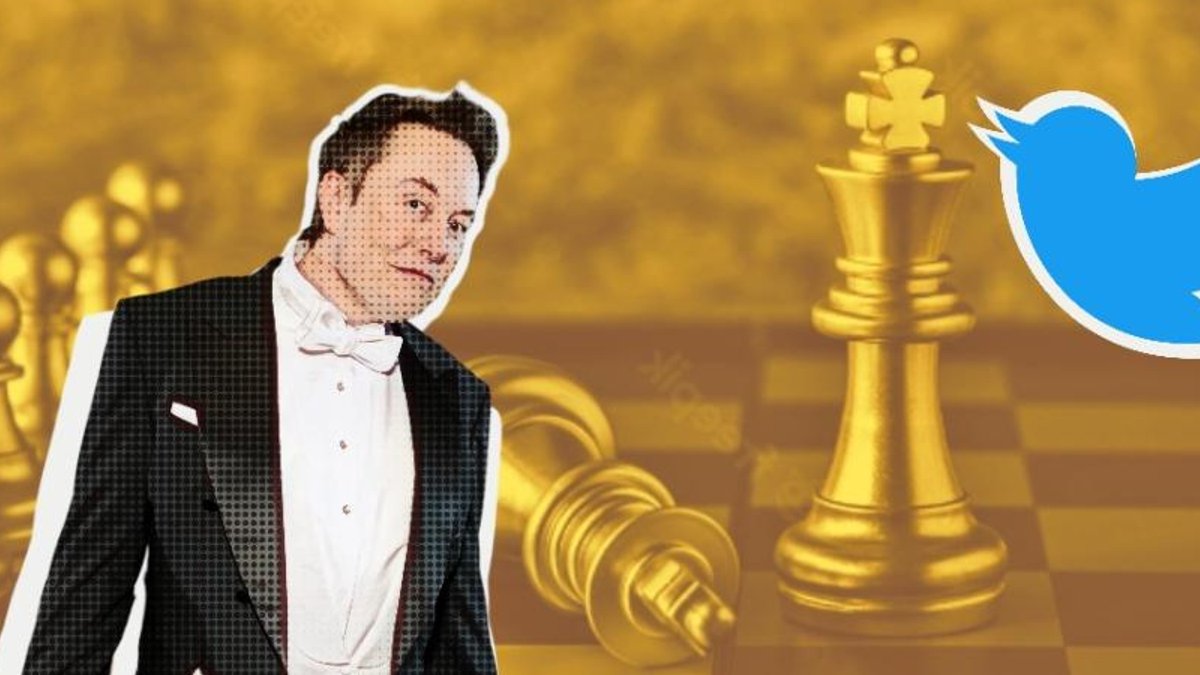
Twitter’s lawsuit against Elon Musk over his abandoned $44 billion buyout is set to go before Delaware’s Chancery Court, but the company’s stated goal of forcing the deal to close may not be the whole story. The social media platform filed suit on Tuesday after Musk formally backed out of the agreement on July 8, following weeks of public complaints about the number of fake accounts on the service. While the complaint asks the court to order “specific performance” — meaning Musk must complete the purchase — legal observers note that the request may be less a genuine desire for ownership and more an opening position in a high-stakes negotiation.
Musk agreed in April to buy Twitter at $54.20 per share, a 38% premium that valued the company at roughly $44 billion. Since then, Twitter’s stock has dropped about a quarter of its value. The Tesla and SpaceX CEO has claimed the company either misrepresented or failed to provide adequate data about bots among its roughly 450 million users. Twitter’s lawsuit counters that those attacks were baseless and that Musk “wanted an escape” from a deal he no longer found attractive.
Related: Bolt and ABG revive partnership as proud partners
The contract’s escape hatches were narrow. Musk could only walk away if there was a “material adverse effect” on the company’s value or if Twitter committed a material breach of its covenants. Twitter says the bot complaints were a pretext for trying to claim one of those conditions existed.
Reading the complaint at face value, the platform wants the court to force Musk to follow through on his promise. That would mean he pays $54.20 per share, a price that now looks generous given the stock’s slide. Forcing someone to buy a company they no longer want creates an awkward outcome for everyone involved.
Related: Industry Rethinks Its Notion of Value
A more realistic possibility is that Twitter is positioning itself for a settlement. The complaint does not seek monetary damages, but nothing in the lawsuit prevents the two sides from reaching an out-of-court deal. The agreement already requires Musk to pay $1 billion if he walks away, so any settlement would presumably aim higher than that. Tulane University law professor Ann Lipton told reporters that the figure could be substantial, noting the damage Musk’s public attacks have done to Twitter’s operations and reputation.
There is another angle worth considering: rich executives sometimes go to court simply to make things difficult for their opponents. Twitter’s board has watched its company’s value and morale suffer through months of Musk’s on-again, off-again takeover theatrics. The lawsuit gives them a chance to push back. Musk is worth about $225 billion as of today, but he has also amassed a fair number of enemies who will be looking to strike a weak point.
Related: Intuit Credit Karma pairs AI with finance
The lawsuit also draws attention from the U.S. Securities and Exchange Commission, which may examine Musk’s tweets about the deal for signs of misleading the market. He has run afoul of SEC rules before, though the penalties were relatively minor. Regulators might take a harder look this time if they find evidence that his public statements moved markets while he was negotiating a massive acquisition.
For now, the case moves forward in Delaware, where corporate law is well established and courts have historically enforced merger agreements. Twitter’s legal team will argue the contract is clear, and Musk’s lawyers will likely press on the bot issue as evidence that the company misled the buyer. The outcome is uncertain, but the stakes are enormous for both sides. Twitter’s next few months depend on how this plays out, and Musk’s financial flexibility could be tested in ways he hasn’t experienced before.

Bolt and ABG revive partnership as proud partners


