


Australia’s Housing Boom Under Pressure from Debt and Rates
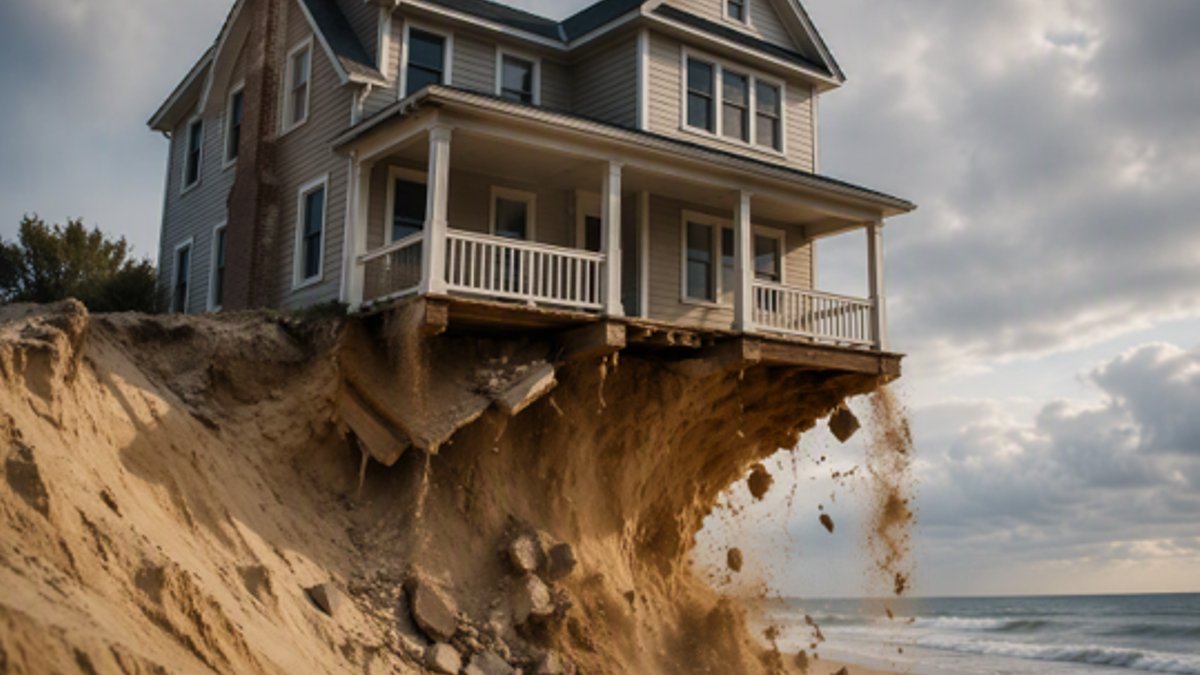
Australia’s housing market, long viewed as a stronghold of ever-rising prices, now encounters pressures that test its historic durability. The boom has rested on three main supports: steady population growth, limited housing supply, and a widespread belief that property values will keep climbing. Recent shifts in economic fundamentals are beginning to erode each of those pillars, prompting analysts to reassess the market’s long-term outlook.
Rising Debt and Economic Fragility
Household debt in Australia now equals 112% of gross domestic product, a proportion that surpasses the peak level reached in the United States during the 2008 financial crisis, when debt hovered around 100% of GDP. This high leverage creates a fragile foundation for many families, especially as interest rates move upward. Data compiled by M&G and Bloomberg, dated 31 December 2026, indicate that rising debt levels cut disposable income when rates climb, which can curb consumer spending and heighten financial stress. That combination has historically placed downward pressure on house prices.
Because Australian lenders now require full recourse on loans and enforce stricter underwriting standards, borrowers face tighter credit conditions than in earlier cycles. The combination of high debt ratios and more demanding loan terms means that even modest rate increases can translate into sizable payment hikes for many owners.
Interest Rates and Monetary Policy Challenges
The Reserve Bank of Australia (RBA) finds itself in a delicate position, needing to keep inflation within its target band while also considering the impact of policy moves on the housing market. Inflation continues to sit above the central bank’s comfort zone, leaving little space for additional rate cuts without risking a resurgence of price pressures. Unlike the United States, where many homeowners benefit from 30-year fixed-rate mortgages that shield them from short-term rate swings, Australian borrowers predominantly hold variable-rate loans. This structure passes monetary-policy changes directly to mortgage payments, exposing households to rapid cost increases.
Consequently, the RBA must balance the goal of taming inflation with the reality that aggressive tightening could trigger broader economic slowdown. Consumer confidence, already weakened by rising living costs and modest growth, adds another layer of difficulty for policymakers attempting to steer the economy through these turbulent waters.
Read Also: Spain Predicted to Win World Cup Final 2-1 Against Argentina
Economic Momentum and Sentiment
Figures released for 30 June 2026 reveal that the Economic Surprise Index—a gauge of how actual outcomes compare with analysts’ expectations—has slipped to its lowest point in a decade. This dip signals a slowdown in growth that rarely supports high-priced housing markets. Wage growth has slowed, business investment has retreated, and households are exercising greater caution, postponing major purchases and boosting savings rates.
Tax Changes and Investment Demand
Recent reforms to property-related tax incentives represent a notable policy shift. Investors can no longer deduct rental losses from their taxable income, and capital-gains tax now applies to the full gain rather than only half, with adjustments for inflation removed. Both of these property price supportive measures have been removed for any existing housing stock, but remains for new builds. It must also be noted that all property has been grandfathered, meaning you still enjoy the old benefits for any purchases made prior to July 2026.
These measures have been put in place to address the huge supply/demand imbalance by dampening demand for existing housing stock. I just worry that the regulators don’t realise how supportive these measures have been over the years to valuations. My concern is not that this triggers an abrupt crisis, but rather a period of weaker house prices and gradual household deleveraging. Given the sensitivity of Australian households to mortgage rates, this also makes it harder for the RBA to hike aggressively without risking a broader hit to consumption and the wider economy.
Broader Implications for Households and Policy
The interaction of raised debt levels, sensitivity to interest-rate movements, and a cooling of investment demand creates a precarious equilibrium for Australia’s housing sector. Many families may choose to deleverage, focusing on reducing mortgage balances rather than taking on additional borrowing.


