


Argentina’s Economy Rebounds Under Milei’s Bold Reforms
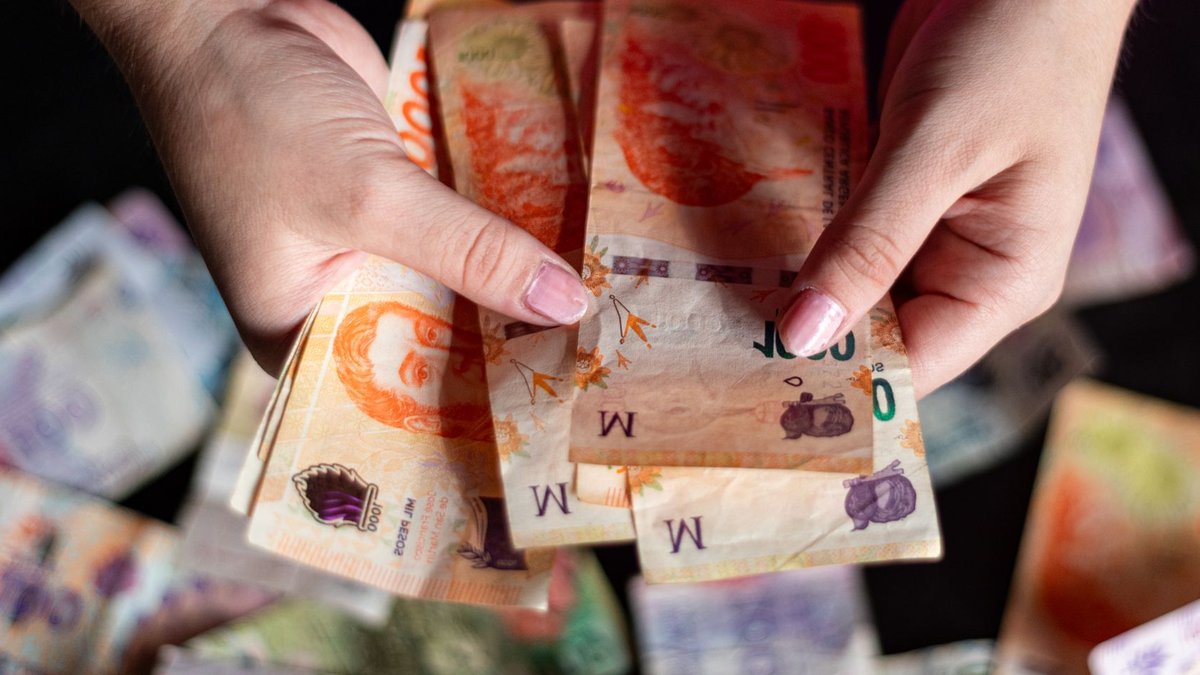
Argentina’s economy has entered a new phase under President Javier Milei, with inflation falling to 33.5% year-on-year after years of fiscal excess and monetary financing. The country’s sovereign credit profile has improved, as all three major rating agencies upgraded Argentina during his presidency. This shift has narrowed sovereign spreads, moving Argentina away from the distressed end of the credit spectrum and expanding the pool of potential investors.
Markets rewarded policy credibility
When Milei took office in December 2023, annual inflation had reached 211%, later peaking at almost 290%, while monthly inflation exceeded 25%. Years of fiscal deficits financed by money printing, chronic peso depreciation, capital controls, and repeated losses of confidence in economic policy caused this situation. Global post-pandemic inflation and commodity shocks added to the pressure, but the underlying problem was domestic: too many pesos chased too few goods in an economy where households had little faith in the currency.
Since then, an aggressive fiscal adjustment, the elimination of monetary financing of government spending, exchange-rate liberalisation, and a broader restoration of policy discipline have primarily driven the inflation drop. While favourable factors such as stronger exports, rising energy production, and statistical base effects also helped, the scale of the disinflation suggests that most of the improvement can be attributed to Milei’s economic programme.
Milei rejected gradualism entirely, pursuing one of the most aggressive fiscal consolidation programmes seen in any major economy recently. He cut subsidies, reduced public spending, streamlined government departments, and made fiscal balance a top policy objective. Supporters called it shock therapy, while critics termed it economic extremism. The reality lies somewhere in between.
Financial markets provide the clearest indication of progress. In March 2024, Argentine sovereign spreads remained in distressed territory. Investors believed in the reform story but wanted evidence of delivery.
Fitch upgraded Argentina to B- in May 2026, citing improved fiscal and external balances, reform progress, and stronger reserve accumulation prospects. S&P followed, upgrading the country to B- and highlighting improved financing access and reduced macroeconomic imbalances. Moody’s also moved Argentina out of the highly distressed category, pointing to falling default risk and improving economic fundamentals.
Sovereign ratings influence the investor pool. Argentina remains below investment grade, but moving away from the distressed end expands potential buyers and lowers financing costs. Spreads remain high relative to most emerging markets, reflecting Argentina’s history and vulnerabilities. However, the notable development is how much this premium has narrowed. With sovereign spreads now around 100bps wider than the single-B universe, markets assign a higher probability to continued normalisation than a few years ago.
Investment is beginning to follow
One of Milei’s key achievements is restoring predictability in Argentina’s economic policies. Historically, inconsistent policies and limited capital access hindered sustainable growth. Investors now see a more stable environment, thanks to fiscal surpluses, declining inflation, and exchange-rate liberalisation.
These improvements have strengthened Argentina’s relationships with multilateral lenders and private investors. While international market access is still developing, financing options have expanded significantly compared to previous years of near isolation. The International Monetary Fund (IMF) has shifted from financing an unreformed model to partnering in a broader stabilisation programme, marking a notable change in its relationship with Argentina.
Read Also: European Gas Prices Surge, Sparking Energy Crisis Fears
Argentina’s natural advantages, including world-class agricultural exports, significant mining potential, and Vaca Muerta energy resources, have long been recognized. However, converting this potential into investment has been challenging. Encouragingly, foreign direct investment (FDI) is now trending positively, particularly in energy and mining projects, supported by regulatory reforms and improved macroeconomic stability.
Economic Reforms and Social Impact
Milei’s economic reforms have brought about significant changes in Argentina’s financial system. The country’s sovereign credit ratings have improved, attracting a broader range of investors and reducing financing costs. However, this progress has come at a social cost, with many Argentinians experiencing genuine hardship during the adjustment phase.
Real incomes initially declined, and poverty rates increased, highlighting the uneven distribution of benefits. The government’s association with the LIBRA cryptocurrency project has also raised concerns about governance and judgment. While the economic reforms and the scandal are separate issues, maintaining high standards of political conduct is essential for sustaining institutional credibility.
Despite these challenges, public support for Milei’s administration has been more resilient than anticipated. Nevertheless, the political climate remains polarized, and social tensions persist. Argentina’s history serves as a reminder that credibility can be fragile, and the country’s economic progress must be carefully managed to avoid past pitfalls.
A presidency without blemishes?
Milei’s government has faced criticism despite its achievements. The economic adjustment imposed significant hardship, with real incomes initially falling sharply and poverty increasing. Social tensions remain high, and even supporters acknowledge that reform benefits have not been evenly distributed.
While the economic reform programme and the scandal are separate, governance is critical for sustaining institutional credibility and investor confidence.
Public support for Milei has been more resilient than expected, but the political environment remains polarised, and social costs persist. Argentina’s history shows that credibility can be lost much faster than earned. The real test will be whether current gains prove durable.
Investors now debate the extent of recovery rather than questioning stabilisation’s possibility. This shift from late 2023 reflects meaningful progress. While significant economic, political, and social challenges remain, Argentina appears on a more sustainable path than many believed possible just a few years ago.
European Gas Prices Surge, Sparking Energy Crisis Fears


