


Martin Shkreli banned from Twitter over harassment
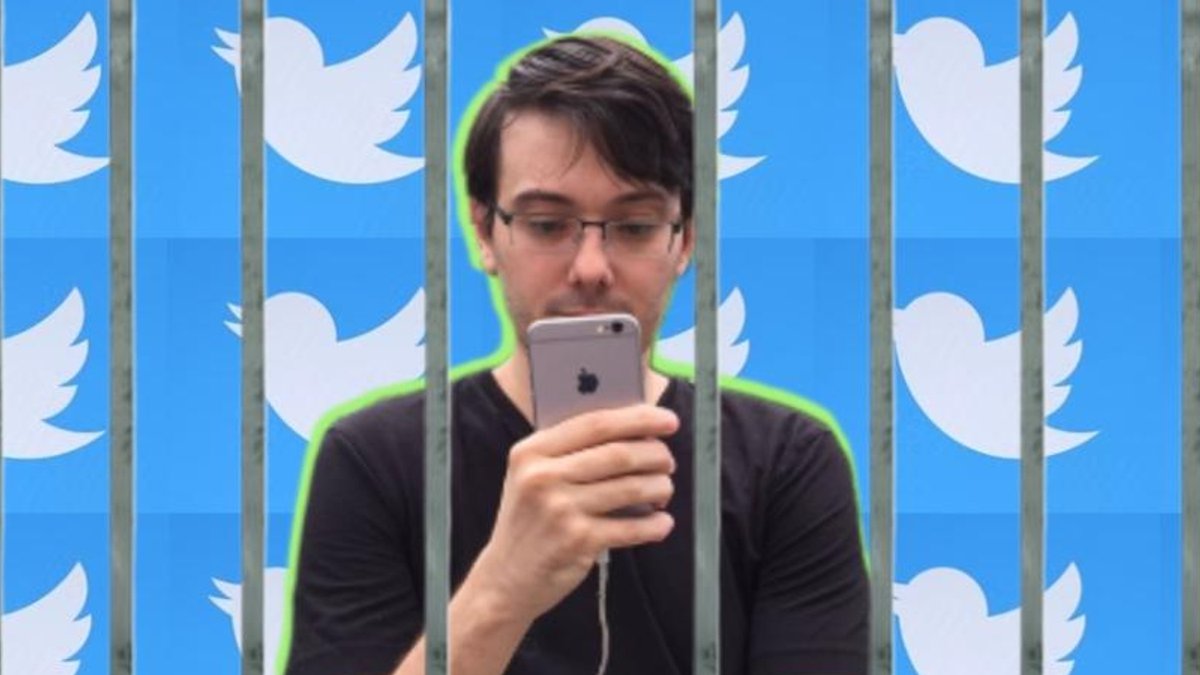
Martin Shkreli’s permanent ban from Twitter in January 2017 wasn’t just another social media suspension. It was the moment the platform drew a line around behavior that had spiraled from provocative to predatory—and the final act in a years-long feud with a journalist who had become his obsession.
The tweet that got him banned
The ban came after Shkreli, then already infamous for hiking the price of a life-saving drug, turned his attention to Lauren Duca, a political writer for Teen Vogue. Duca had built a following with sharp commentary on feminism and the Trump administration, including a widely shared 2016 column accusing the then-president of “gaslighting America.”
Shkreli’s fixation began in August 2016, when Duca briefly appeared at an impromptu press gathering he hosted at Guy Fieri’s Times Square restaurant. Instead of engaging with him, she posted a photo of Shkreli online with a snide remark. Months later, after he invited her to Trump’s inauguration as his “plus one” in a cheeky direct message, she publicly rejected him—tweeting that she’d “rather eat [her] own organs” than attend with him.
Shkreli’s response was to double down. He began framing their dynamic as a twisted romantic comedy, live-streaming rants about his “love” for Duca and encouraging his online followers to join in. The harassment escalated when a female friend Photoshopped Duca’s face onto a romantic photo with Shkreli’s head replacing her husband’s. Shkreli made the image his Twitter profile picture. Duca reported the account to Jack Dorsey, then Twitter’s CEO. Within hours, Shkreli was banned for harassment.
Related: Bolt and ABG revive partnership as proud partners
A pattern of provocation
The suspension didn’t stop the feud. During his 2017 securities fraud trial, Shkreli continued to reference Duca in live streams, at one point declaring he would eventually “f*ck” her—a comment he later claimed was meant as a joke about her falling for him, not a threat. Critics interpreted it differently. Duca’s reply was unequivocal: “So much as touch me, and I’ll gladly chop off one of yours.”
Journalist Christie Smythe, who was covering Shkreli’s trial and later wrote a memoir about their relationship, described the moment as a turning point. “My heart pounded when I saw the whole thing,” she wrote. “Martin’s vulgar comment, the way it was characterized by the reporter who reached out to Duca, her threat of violence in reply, and so many people cheering her on for it. It made me sick.”
Smythe’s own attempt to intervene—tweeting a photo of herself holding the Wu-Tang Clan album Shkreli had purchased for $2 million, with the caption, “I don’t think [Martin Shkreli] would hurt a woman, even a journalist”—backfired spectacularly. Duca responded with a profanity-laced reply, and Smythe found herself at the center of an online backlash, accused of defending an abuser.
The fallout
Shkreli’s ban had immediate consequences. His reputation, already toxic after the Turing Pharmaceuticals scandal and his arrest, became radioactive.
Related: Markets Rally as Tech Leads Week Higher
Yet the feud also revealed something about how online harassment operates. Shkreli’s behavior wasn’t just about Duca—it was performative, a way to rally his followers and provoke a reaction. Duca’s refusal to engage only seemed to fuel the fire. As Smythe noted, the dynamic mirrored Donald Trump’s fixation on Rosie O’Donnell: a public figure fixating on a critic not because of genuine grievance, but because the attention, no matter how negative, was intoxicating.
For women online, the episode was a warning. Shkreli’s actions emboldened sexist trolling, turning Duca into a symbol of resistance. But the cost was high. Duca’s inbox flooded with threats. Smythe’s marriage nearly collapsed after her husband condemned her for defending Shkreli, even indirectly. And Shkreli? He was convicted of securities fraud later that year and sentenced to seven years in prison.
The Twitter ban was just one chapter in a larger story of how the internet amplifies obsession. But it was the moment the platform decided some lines shouldn’t be crossed—even by someone who thrived on crossing them.

Twitter seeks final resolution in Musk lawsuit


