


Market Moves for the Past Week
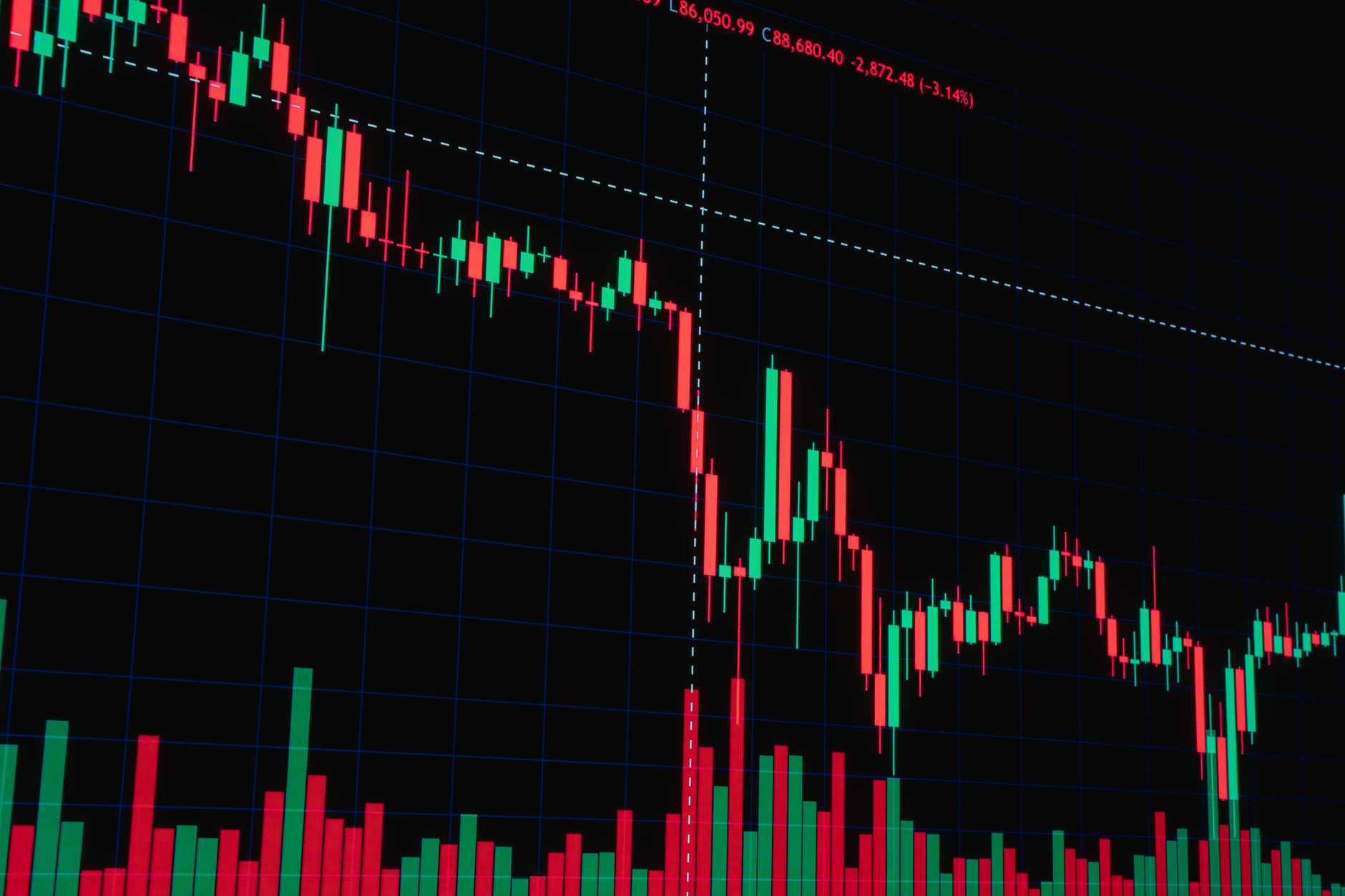
Wells Fargo’s plan to launch tokenized deposits for corporate and commercial clients has drawn market attention, with its shares closing at $88.11 on Thursday. The institution intends to enable 24‑hour movement and settlement between U.S. dollars and British pounds this fall, marking a step toward broader digital‑money services for enterprises.
How the tokenized deposit works
The new product will allow corporate treasurers to hold a digital representation of cash that can be transferred instantly, bypassing traditional batch processing. By linking the token to a real‑world currency, Wells Fargo hopes to combine the speed of stablecoins with the regulatory comfort of a conventional deposit. The service is initially limited to a select group of clients, but the filing notes that expansion to additional currencies and countries is slated for 2027.
From a practical standpoint, the tokenized deposit could be tied to invoices or delivery milestones, automating parts of the payment workflow. The key challenge, however, is interoperability; the token is only useful if it can move beyond the bank’s own network. Competitors such as J.P. Morgan and Citi are already exploring similar offerings, which could affect the competitive field for bank‑based digital money.
Market reaction and investor outlook
Investors have responded cautiously. The stock’s modest gain reflects optimism that the firm is keeping pace with fintech rivals, yet concerns linger about the adoption curve for a product that sits at the intersection of legacy banking and emerging crypto technology. Analysts note that the move could open new revenue streams if corporate clients adopt the token for routine payments, but they also warn that regulatory scrutiny may slow rollout.
While the announcement positions Wells Fargo as a contender in the growing field of tokenized finance, the broader impact will depend on how quickly enterprises adopt the new tool. Its ability to integrate the token with existing treasury management systems will be a decisive factor. If successful, the service could reduce reliance on external stablecoin providers and keep more transaction volume within the institution’s ecosystem.
In the wider context, tokenized deposits represent a shift in how banks approach digital assets. Rather than launching a separate crypto platform, traditional institutions are embedding token functionality into familiar deposit accounts. This approach may ease corporate concerns about compliance while still delivering the speed and programmability that modern supply‑chain finance demands.
First phase will focus on the U.S.‑UK corridor, a market with high cross‑border transaction volumes.
Subsequent phases aim to add more currencies and expand the client base, aligning with the firm’s broader digital strategy. The success of this initiative could influence how other major banks prioritize their own tokenization projects.

Markets Rally as Tech Leads Week Higher


