


Businesses tap hidden skills in workers instead of hiring
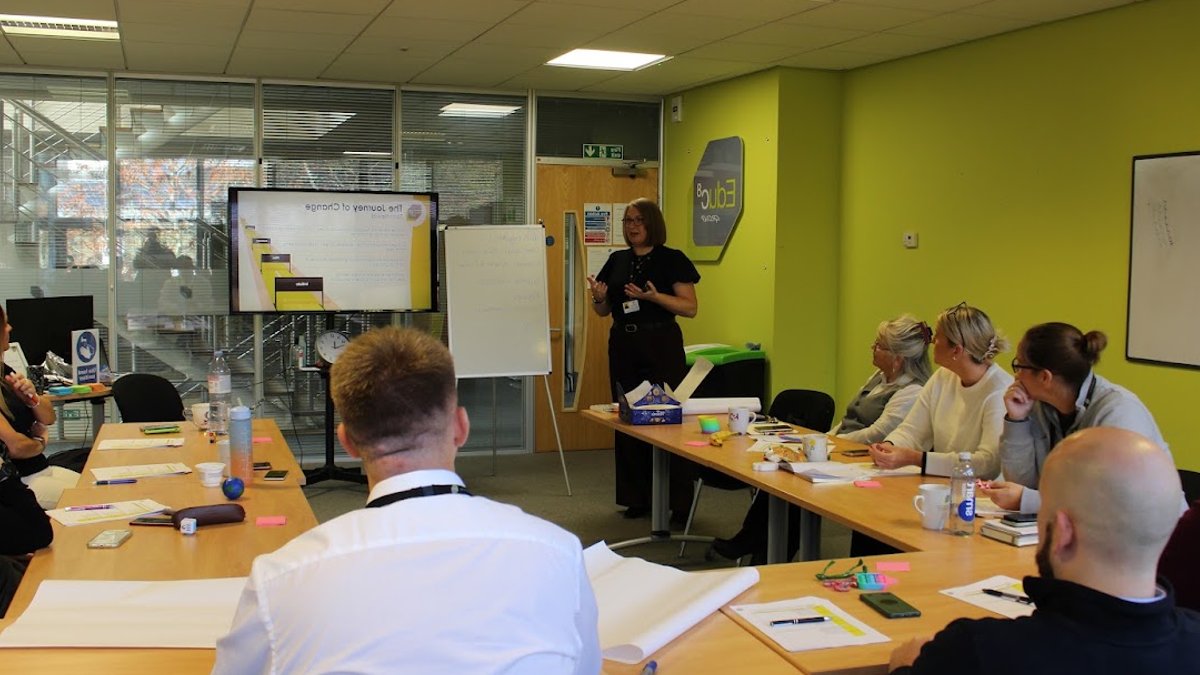
As Adult Learners’ Week nears, businesses are rethinking their talent strategies beyond traditional hiring. The emphasis now includes pinpointing and nurturing skills among current staff rather than relying solely on external recruitment. This shift acknowledges that many employees, especially those in mid-career, hold underutilized abilities that could be harnessed for greater impact.
Recent apprenticeship figures from Wales reveal how this mindset is taking hold. Nearly 40% of new apprenticeships now begin with learners aged 25 to 39, challenging the outdated belief that such programs serve only recent graduates. The data instead shows that professional development has become closely linked to career advancement, whether employees are preparing for leadership roles, adapting to digital shifts, or transitioning into new functions.
Companies are increasingly asking: What hidden potential exists within our existing workforce? The answer often lies in employees who possess deep organizational knowledge, strong client relationships, or specialized expertise, assets that external hires rarely replicate.
Workplace learning initiatives provide a direct way to address this. These programs let employees upskill without disrupting their core responsibilities, allowing businesses to retain critical institutional knowledge while preparing teams for future demands. When growth opportunities are visible, staff retention strengthens and turnover costs decline.
Read Also: Welsh firms show strong growth potential
This approach does not mean abandoning external hiring. Instead, internal development and recruitment work together.
Businesses that treat skill-building as an ongoing commitment rather than a one-off effort will see the greatest rewards. The capabilities required tomorrow may already reside within their teams. The challenge is recognizing those strengths and providing the right pathways for them to flourish.
Local reports indicate that Welsh employers are increasingly adopting these strategies, with apprenticeship enrollments among older workers rising faster than in earlier years. The trend suggests that organizations prioritizing internal talent development could gain a competitive edge by reducing reliance on external recruitment while improving workforce adaptability.

Welsh firms show strong growth potential


