


Kevin Tan’s Snackpass climbs from Yale to $400M
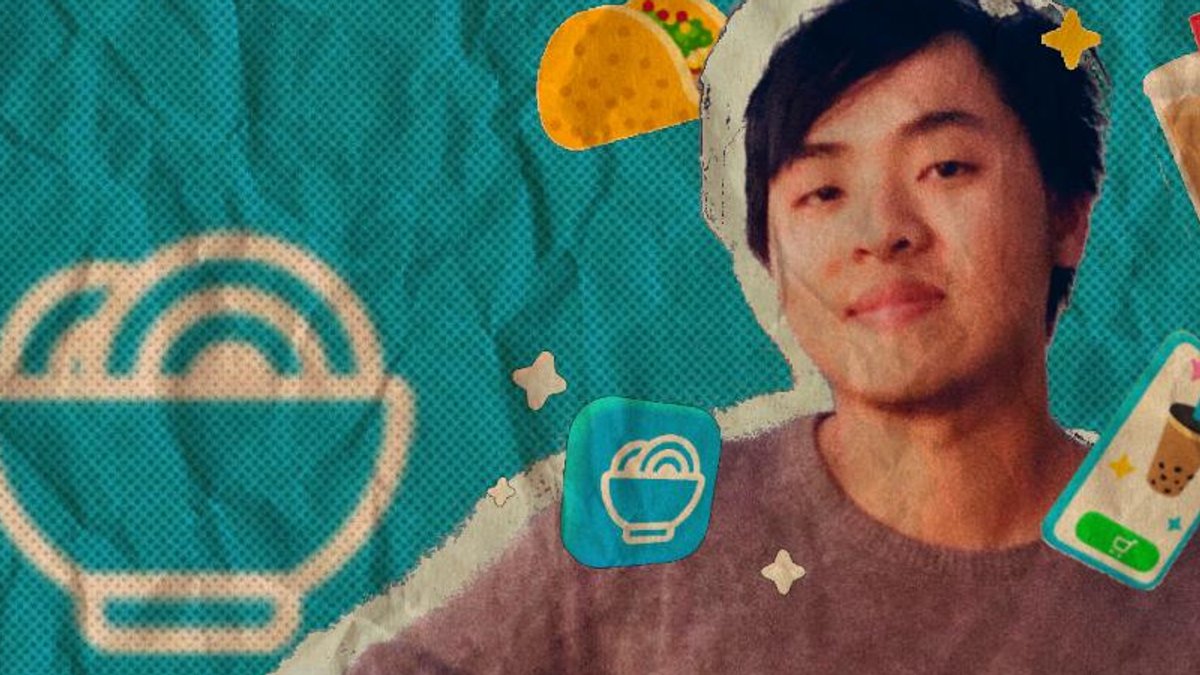
Kevin Tan was a senior physics major at Yale when he and Jamie Marshall launched Snackpass in 2017, initially as a way to offer fellow students discounts at local restaurants through a simple website. What started as a modest campus convenience project has grown into a food-ordering platform valued at over $400 million, with more than 500,000 users across 13 markets and a recent $70 million Series B funding round that attracted high-profile investors including Bastian Lehmann, founder of Postmates, as well as the Jonas Brothers and Steve Aoki.
From Campus Convenience to Social Ordering
The early version of Snackpass let students log in with their .edu email addresses to access exclusive deals. But Tan quickly noticed something unexpected: users cared less about discounts and more about the ability to order on their phones without waiting in line or handling cash. That shift toward mobile-first ordering became the first major insight shaping the platform’s direction.
The second breakthrough came when Tan looked at how quickly Facebook, Tinder, and Snapchat spread across college campuses through viral growth. Snackpass had no budget for referral bonuses like Uber or DoorDash, so Tan brainstormed another approach. He wondered what would happen if users could send food gifts to friends as a public gesture, rewarding both the sender and recipient with points after every purchase. The feature transformed a basic utility into something students wanted to share.
Related: Reporter Embroiled in Martin Shkreli Saga
When the updated app launched in fall, orders poured in so fast that some restaurants struggled to keep up. The team tested whether the concept could work elsewhere by launching at Brown, then Berkeley, Ann Arbor, Cambridge, and UPenn. Each new market confirmed the model wasn’t just a New Haven phenomenon.
Competing in a Crowded Market
Food delivery platforms have grown into massive businesses, with the sector reaching around $60 billion. But delivery represents only 8 to 10 percent of the total restaurant industry. The remaining 90 percent—pickup orders and in-person transactions—remains largely offline. Snackpass has focused its efforts on that larger segment, betting that restaurant registers and manual order-taking will eventually disappear.
The economics differ significantly between delivery and pickup. Acquiring a single delivery driver can cost around $1,000 per week in a given market, a expense that becomes hard to justify when margins tighten. Snackpass charges restaurants a take rate roughly ten times lower than competitors like DoorDash, which typically takes 30 percent. The company argues that most restaurants already get over 60 percent of their orders from repeat customers anyway, making it hard to justify paying premium fees for customer acquisition that isn’t really happening.
Tan acknowledges that large chains like Sweetgreen can afford sophisticated digital strategies, but points out that seven out of ten restaurants are single-unit independent operations. Those businesses want the same benefits—labor savings, customer reengagement, digital efficiency—without surrendering their margins to third-party aggregators.
Related: Bill fuels growth for small businesses
The Social Angle
Snackpass incorporates social features that let users see what friends are ordering, send gifts, and pool orders for bigger discounts. One user Tan described decided to order alone at an Indian restaurant until she discovered the group-buying tool, then shared the link with her entire suite so everyone could save.
The platform currently processes about $60 million in annual gross merchandise value, which Tan describes as one of the largest experiments in social commerce working at scale in the U.S. food sector. While the concept developed naturally in the college environment, he believes the core appeal—saving time, saving money, and connecting with friends—transcends campus boundaries. Early tests in noncollege markets have shown promising results, with partner restaurants performing well.
The company currently partners with 1,000 restaurants and aims to reach 10,000 by next year. The challenge, according to Tan, is that restaurant acquisition requires building relationships and doing the groundwork, which takes time even when the product sells itself once people see it in action.

Reporter Embroiled in Martin Shkreli Saga

Crypto Faces Growing Threat From Financial Sharks
Related Articles


 Business Watch