


Autonomous trucks poised to lead commercial rollout ahead of robotaxis
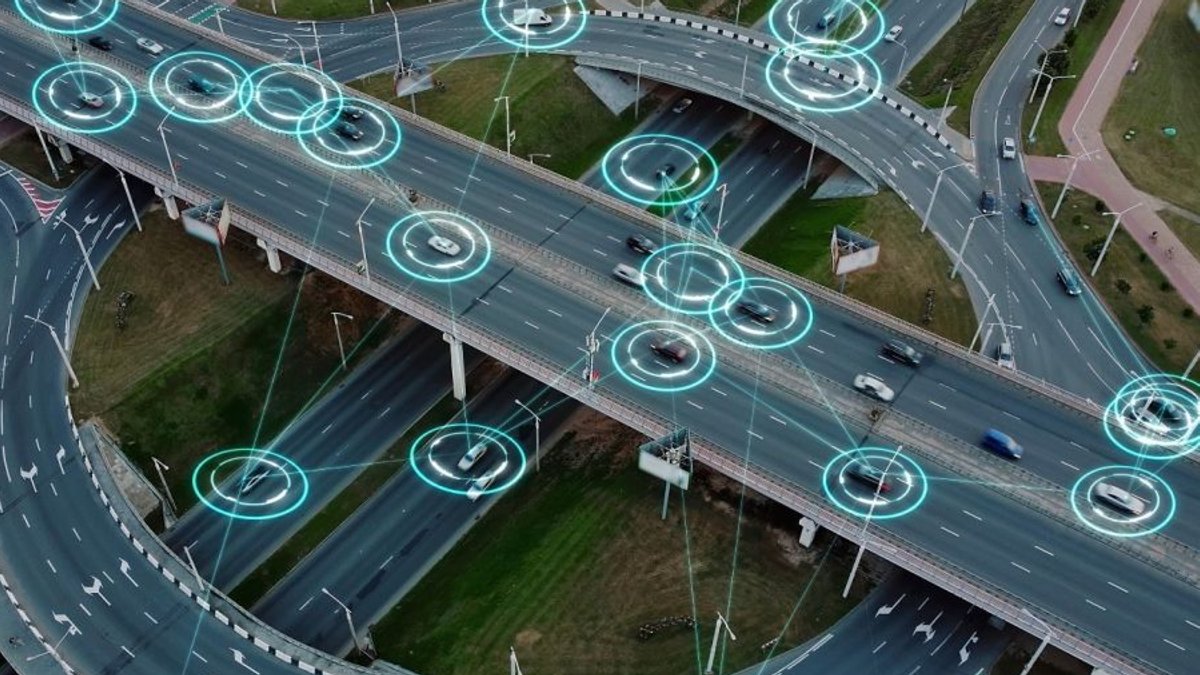
T. Rowe Price has released a report suggesting the autonomous vehicle sector may soon experience a major advance comparable to the recent surge in AI chatbot adoption. Analysts at the firm project that robotaxis and self-driving trucks could scale commercially within the next three to five years, ending years of inconsistent development.
Self-driving trucks stand to gain traction sooner than robotaxis, the analysis concludes, due to established long-haul routes and federal regulations that mandate 10 hours of rest after 11 hours of driving. This creates a compelling economic argument: an autonomous truck could complete a 17-hour journey from Dallas to Phoenix in a single day, effectively doubling its operational efficiency. The report highlights that trucking infrastructure already supports long-haul routes, accelerating adoption timelines compared to urban robotaxi deployment.
Trucks lead robotaxis in commercial timeline
Waymo, supported by Alphabet, currently operates driverless robotaxi services across 15 U.S. cities and has announced plans to expand into 17 additional markets, including London and Tokyo. Aurora Innovation, meanwhile, aims to deploy 200 autonomous heavy-duty trucks by the end of 2026, with targets of 1,000 by 2027 and 30,000 by 2030.
Read Also: Gold price drops to 52 week low
Despite progress, safety concerns remain the primary obstacle. Human error accounts for over 90% of severe crashes, meaning autonomous systems must demonstrate near-flawless performance to earn public trust. Tesla’s reliance on camera-only systems reduces costs but has shown limitations in adverse weather and at high speeds. The report notes that even when autonomous technology reaches 98% of its potential, it remains far from commercial readiness.
In contrast, multi-sensor approaches—combining cameras, radar, and LiDAR—offer superior safety outcomes. The report cites a 200-mile test where LiDAR detected a police stop seconds before the vehicle would have missed it, illustrating its potential advantages. During the test, the vehicle unexpectedly changed lanes at 70 mph, later revealing a police cruiser that LiDAR had identified in advance.
Investors bet on sensor tech despite skepticism
T. Rowe Price’s Innovation Leaders ETF (TNXT) includes both Alphabet and Tesla in its portfolio, reflecting the ongoing debate over sensor technology. Fund managers Som Priestley and Sean McWilliams acknowledge that skepticism persists, evidenced by Ford and Volkswagen’s 2022 decision to exit their Argo AI partnership, but they anticipate clearer evidence of commercial viability by 2027. The fund’s performance has already outpaced broader market benchmarks, returning 14.6% from its January launch through September 30, compared to the Russell 3000 Index’s 9.9% gain. As of November 19, Tesla accounted for 1.83% of the fund’s holdings, while Alphabet made up 1.80%.
Read Also: Midstream Firms Boost Buybacks to Nearly $1 Billion
If autonomous vehicles achieve widespread adoption, they could emerge as one of the most significant AI applications, the report states. The market is actively seeking high-impact AI use cases, and self-driving technology may fulfill that need. Industry consolidation could mirror patterns seen in ride-hailing and food delivery sectors, where a small number of dominant players capture the majority of market share.
Cost remains a key consideration, as Tesla’s camera-only approach cuts expenses while multi-sensor systems may become essential for safety-critical applications. The report suggests that as LiDAR and radar costs decline, following the trend of automotive cameras in the 2000s, the technology could become more accessible. Chief Investment Officer David Giroux and co-portfolio manager Mike Signore emphasize that autonomous vehicles could become one of the biggest AI applications, given the market’s demand for transformative use cases.


