


Disconnected Brokerage Systems Cost Millions YOONIT Helps
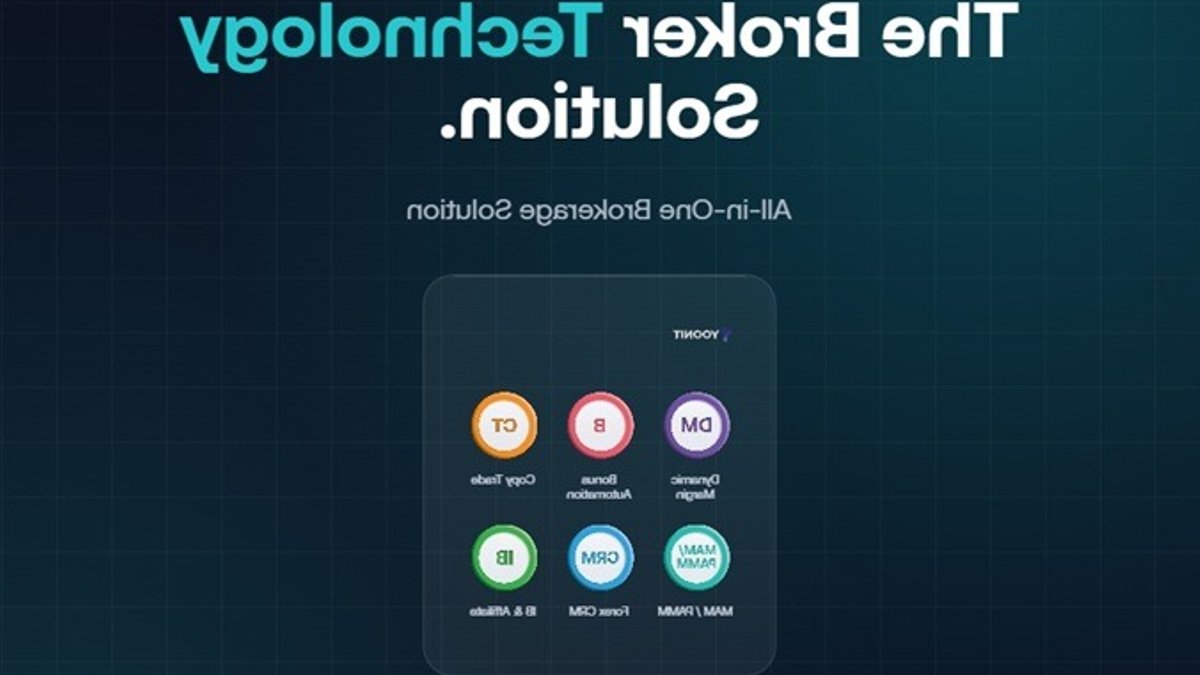
CRM and Trading Platform Gaps Drive Inefficiencies
Most brokers report that individual applications—trading platforms, CRM tools, and IB portals—function well in isolation. Yet the lack of automatic data exchange between a CRM and the trading engine creates a fragmented view of client activity. The CRM can track registrations, document submissions, and support tickets, but it cannot see real‑time positions or equity performance.
Because of this blind spot, retention teams may send reactivation offers to clients who already hold open positions, or they may miss early warning signs that a high‑value client is disengaging. The result is wasted outreach and missed revenue opportunities, especially since client retention typically yields higher margins than new acquisition.
Connecting these systems would allow segmentation to factor in live trading data, enabling more precise targeting and protecting the margin that comes from keeping existing customers.
Related: Swift Teams with Itaú to Accelerate Brazil Transfers
Manual MAM and PAMM Operations Cost More Than Expected
Managed account structures such as MAM and PAMM require allocating each trade across dozens of sub‑accounts, handling rounding differences, and calculating performance fees. When a portfolio manager oversees 40 sub‑accounts, every trade must be split proportionally, and any discrepancy can trigger fee disputes.
Resolving a high‑water‑mark dispute often involves reconstructing trade‑by‑trade profit and loss histories, a process that can take weeks and tie up staff. While the direct labor expense is noticeable, the indirect cost—damage to investor relationships and reputation—can be far larger. These expenses appear on the operational cost line rather than the technology budget, making them harder to attribute to the underlying data gap.
At scale, the manual workload becomes a structural drain, leading to investor attrition that compounds over time.
IB Commission Errors Amplify Relationship Risks
Introducing brokers (IBs) monitor their payouts closely. Overpayments directly affect the broker’s bottom line, while underpayments erode trust. When commission structures grow more complex—adding sub‑IBs, tiered rebates, and volume‑based incentives—manual calculations become prone to error.
Even small, recurring errors draw the attention of partners, who may raise disputes repeatedly and share their concerns across their networks. The finance team then spends significant time investigating and correcting these issues each month. Without automated, accurate commission processing, the operational overhead grows in proportion to the partner network.
Related: The Science Behind the Sparkle: Understanding Lab Grown Diamonds in London
Bonus Campaign Costs Reveal Themselves Late
Marketing teams launch deposit bonuses with volume conditions and set expiry periods, assuming the campaign will stay within budget. However, traders can meet volume thresholds with minimal spread revenue, especially when using hedged positions that technically satisfy the conditions without contributing net exposure.
Because the campaign platform tracks registrations and the trading platform tracks trades, but no unified view monitors both in real time, the rising liability often goes unnoticed until month‑end finance reviews. By then, the bonus payouts may have far exceeded initial projections.
Continuous monitoring of trading data against campaign terms would catch such patterns early, preventing cost overruns.
Compounding Effects of Multiple Disconnections
Each of these gaps may be manageable in isolation, but they compete for the same operational resources. The team reconciling IB commissions this week also handles a MAM dispute from yesterday and investigates a lagging retention campaign. Simultaneously, the dealing desk adjusts margin settings while monitoring copy‑trade exposure and responding to delayed risk alerts.
When systems operate independently, small problems multiply, limiting what teams can achieve and stalling business growth. Integrating the technology stack does not eliminate every operational challenge, but it removes the structural friction that makes routine tasks more demanding than necessary.
Related: AI Firms Shift From Features to Execution
Integration saves time.
From a broader perspective, the move toward integrated brokerage infrastructure reflects a wider industry trend: firms are recognizing that data silos hinder not only efficiency but also strategic agility. By aligning client, trading, and financial data, brokers can make faster, more informed decisions, which is increasingly important in fast‑moving markets.
Benefits Observed After System Integration
Brokers that have adopted a connected environment report several early improvements. Operations staff spend less time on manual reconciliation and more on judgment‑based decisions. Partner relationships strengthen as commissions become transparent and timely. Retention campaigns benefit from insights drawn from live trading behavior, improving their effectiveness. Bonus campaign costs become predictable thanks to continuous monitoring.
Over a twelve‑month period, these changes translate into higher efficiency, stronger margins on existing revenue, and a scalable operational foundation that prevents overhead from rising in step with growth.

Swift Teams with Itaú to Accelerate Brazil Transfers


