


Animoca Chairman Sees Altcoins Surpassing Bitcoin
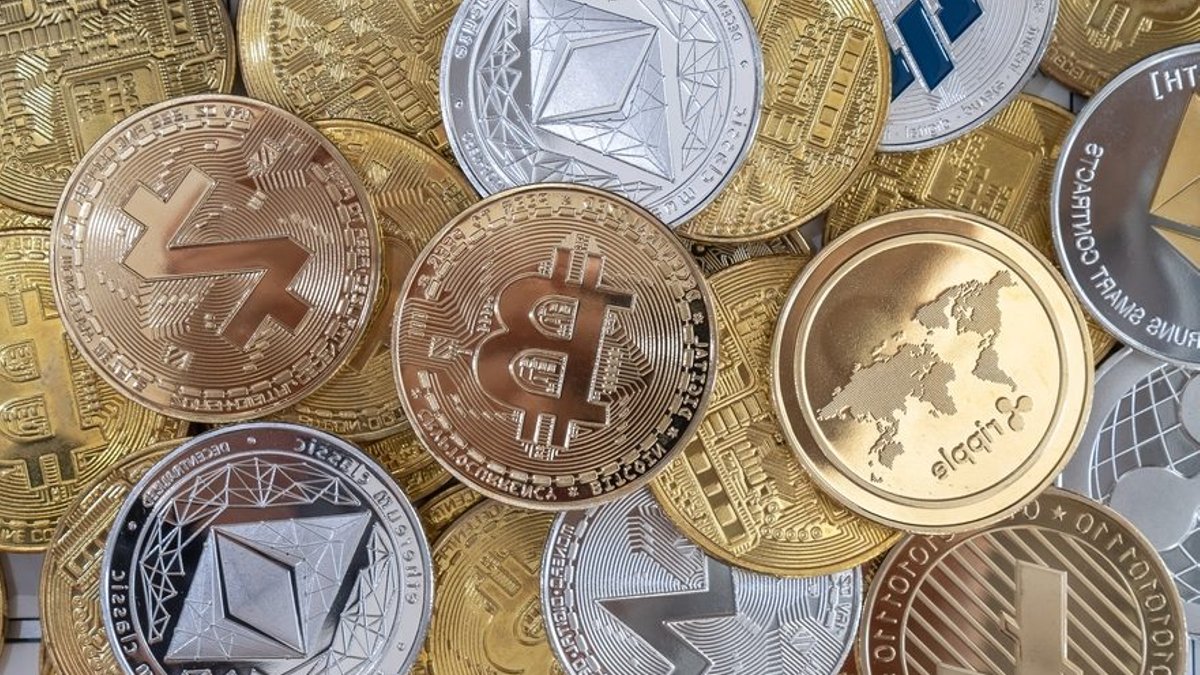
Altcoins are expected to eventually surpass Bitcoin in market size, according to Yat Siu, executive chairman of Animoca Brands. Siu draws a direct parallel between the two asset classes, comparing the digital currency to gold and the altcoin market to the stock market.
Gold and Stocks
Siu described gold as a store of value for savers, while stocks represent an ownership stake in businesses. He sees the cryptocurrency sector operating on the same principle, where people save in Bitcoin and use altcoins for transactions. These altcoins include utility tokens, stablecoins, and tokenized real-world assets like funds and bonds.
Currently, the order in crypto runs opposite to traditional finance. The stock market is nearly five times larger than the gold market, but in the crypto space, Bitcoin dominates altcoins. Siu believes this dynamic will shift as altcoins grow larger than the leading cryptocurrency.
Investors looking for exposure to the market will likely hold Bitcoin, Ethereum, and Solana. To capture the full scope of the industry, they must also own other tokens. Siu estimates this category makes up 35 to 40 percent of the total market, a share he expects to become the majority.
The Search Engine Comparison
Picking a single winner among altcoins is difficult, Siu noted. He used the early internet search market as an example. Yahoo ranked first among search companies at the time, with Google nowhere to be found.
Spreading investments evenly across all search engines and holding them would have been a profitable strategy. Google’s returns alone would have made the effort worthwhile. Animoca applies this same approach to its portfolio of hundreds of companies, including OpenSea, Polygon, Kraken, and Ledger.
While the strategy works for large funds, regular investors face barriers. Venture firms like Andreessen Horowitz and Paradigm rarely accept small checks. A $1 million investment might only secure a brief conversation, and $10 million checks can still be difficult to place.
Tokenization and ETFs
Siu pointed to a recent panel discussion involving Jenny Johnson, CEO of Franklin Resources. Johnson explained that traditional funds have a $500 minimum purchase requirement because each transaction carries several dollars in costs. Tokenized funds can process transactions for a fraction of that price.
Lower per-transaction costs allow these digital funds to sell for $20 or less, making them accessible to a wider range of buyers. This accessibility could fundamentally change how people invest in the digital economy.


